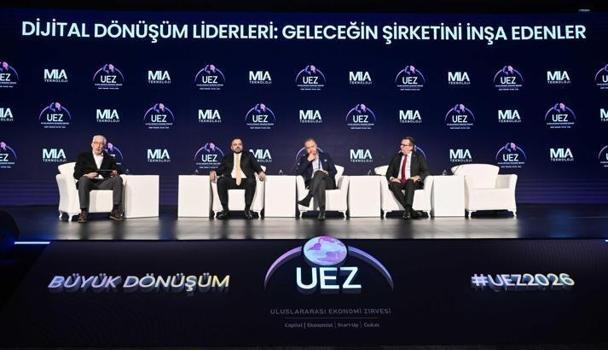
‘R&D expenditures should not be seen as costs’
Speaking at the third panel of the International Economic Summit (UEZ 2026), Alarko Holding CEO Ümit Nuri Yıldız stated; “In Türkiye, what industrialists fail to do is allocate sufficient resources to research and development activities. R&D should not be seen as a cost, but as an investment in the future
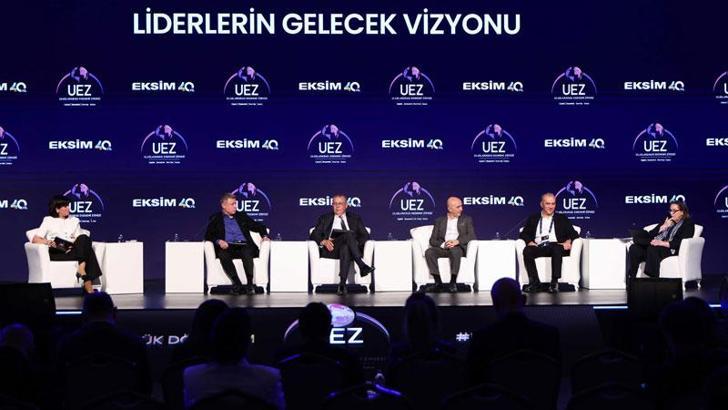
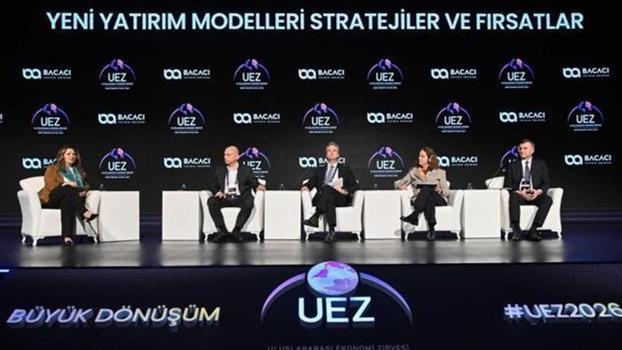
Organized since 2012 by Capital, Ekonomist and Start Up magazines, the International Economic Summit (UEZ 2026) is being held for the 15th time this year, bringing together respected politicians, business leaders, and academics from Türkiye and around the world. This year’s summit is held under the theme: ‘The Great Transformation: A Compass for the Transition to a Resilient and Sustainable Global System.’ The main sponsor of the summit is Tera Finance Group.
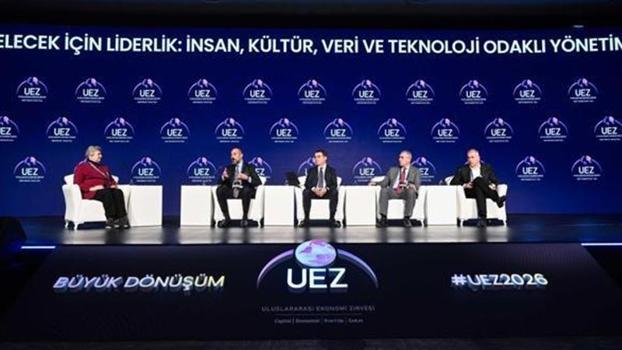
The third panel of the summit was held under the title ‘Leaders’ Vision for the Future.’ The session was moderated by Şeyma Öncel Bayıksel, Editor-in-Chief of Capital Magazine, and sponsored by Eksim Holding.
İsmail Hakkı Yıldız, Board Member of Yıldızlar Investment Holding, recalled that a breaking point occurred during the pandemic, adding that supply chains recovered shortly afterward and the challenges were soon forgotten. He said; “With the war, the issue came back to the agenda. Access to energy and raw materials became critical. Industries are heavily dependent on imports. The answer to managing disruptions is production-making the effort to produce. It also means producing where energy and raw materials are available. Türkiye is not a country rich in forests, so we invested in those regions. To support these operations, we needed ports and transportation. Later, we focused on energy, entered fertilizer production, and moved into the steel sector. Our sales strategy was to utilize ships returning from the U.S. We found our own ways to ensure sustainability.”
‘GLOBAL SUPPLY CHAINS HAVE EVOLVED INTO DIFFERENT AREAS’
Haluk Kayabaşı, CEO and Board Member of Kibar Holding, commented on industrial transformation:
“The human factor is very important and has undergone a major transformation. It is not possible to explain the recent transformation in industry under a single heading. Developments such as digitalization and artificial intelligence are also taking place. Transformation in the energy sector is no longer just environmental-it has become a competitive arena. The whole world knows that unlimited consumption with limited resources leads to disaster. Competition is no longer only about capacity and cost. Global supply chains have evolved into different areas. This transformation creates significant opportunities for Türkiye as well. In light of these developments, the rules of competition are also changing. Carbon management, energy management, digitalization, and supply chains are critical. Smarter and more sustainable production has come to the forefront. As Kibar Holding, we are acting accordingly. Industrial transformation brings both risks and opportunities. Companies that prioritize speed and sustainability will stand out.”
‘UNCERTAINTY IS INCREASING, RESILIENCE IS ESSENTIAL’
Borusan Group CEO Özgür Günaydın stated; “We say the rules of the game are changing, but I’m not even sure if there is still a game. What we are experiencing is uncertainty. We live in a world with many variables and constant change. It is essential to remain resilient. Discipline, focus, and being fast-without being hasty-are key. We have all positioned ourselves according to global economic rules, but these are now shifting. With the advantage of operating in different sectors, we invest our resources into future-oriented businesses while also seeking new opportunities. This must be combined with technology. We are in the age of artificial intelligence. Agility, quick reaction, resilience, and solving problems on-site are critical. We believe in a better future and will continue to create value with all our stakeholders.”
‘SUSTAINABILITY HAS BECOME THE TOP PRIORITY'
Ümit Nuri Yıldız, CEO and Board Member of Alarko Group of Companies added; “From the 1990s to the 2000s, profitability was the top priority. After 2020, sustainability became the primary focus. The main reason is what crises and the pandemic have shown us; every crisis is an opportunity-if you can survive it, you can benefit from it. The biggest enabler is access to financial resources. In Türkiye, industrialists struggle to allocate enough resources to R&D. You have to manage a company with limited resources. That is why R&D should not be seen as a cost, but as an investment in the future. One of the biggest challenges for both companies and countries is energy supply security. We are in a period where energy storage has become extremely important, and we are planning investments in this area. We also aim to convert old, large passenger aircraft into low-cost cargo planes. Today, capital is not only pursuing growth and profitability-it is also seeking sustainability and reputation.”
‘GEOPOLITICAL RISKS HAVE BECOME PERMANENT’
Zeynep Bodur Okyay, Chairperson and CEO of Kale Group, said; I see what we are experiencing not as a change, but as a reset. Technology, trade, and geopolitics are reshaping the game. The key question is whether you are in the right game. These factors are creating a new competitive landscape, and we must read it correctly. In the past, competition was defined by scale, low-cost production, and speed. Now, it is less about efficiency and more about positioning. In terms of technology, it is not just which technology you use, but which system you are part of that matters. Geopolitical risks have become permanent. Therefore, I do not see current volatility as temporary. In such periods, those who stand out are not the observers, but those who can make decisions under uncertainty and leverage their production knowledge. Having data alone is not enough-making the right decisions is what matters. From geopolitical fluctuations to supply chain disruptions, we clearly see how important resilience is.